Leadership anxiety: why fear still drives decision making at senior level
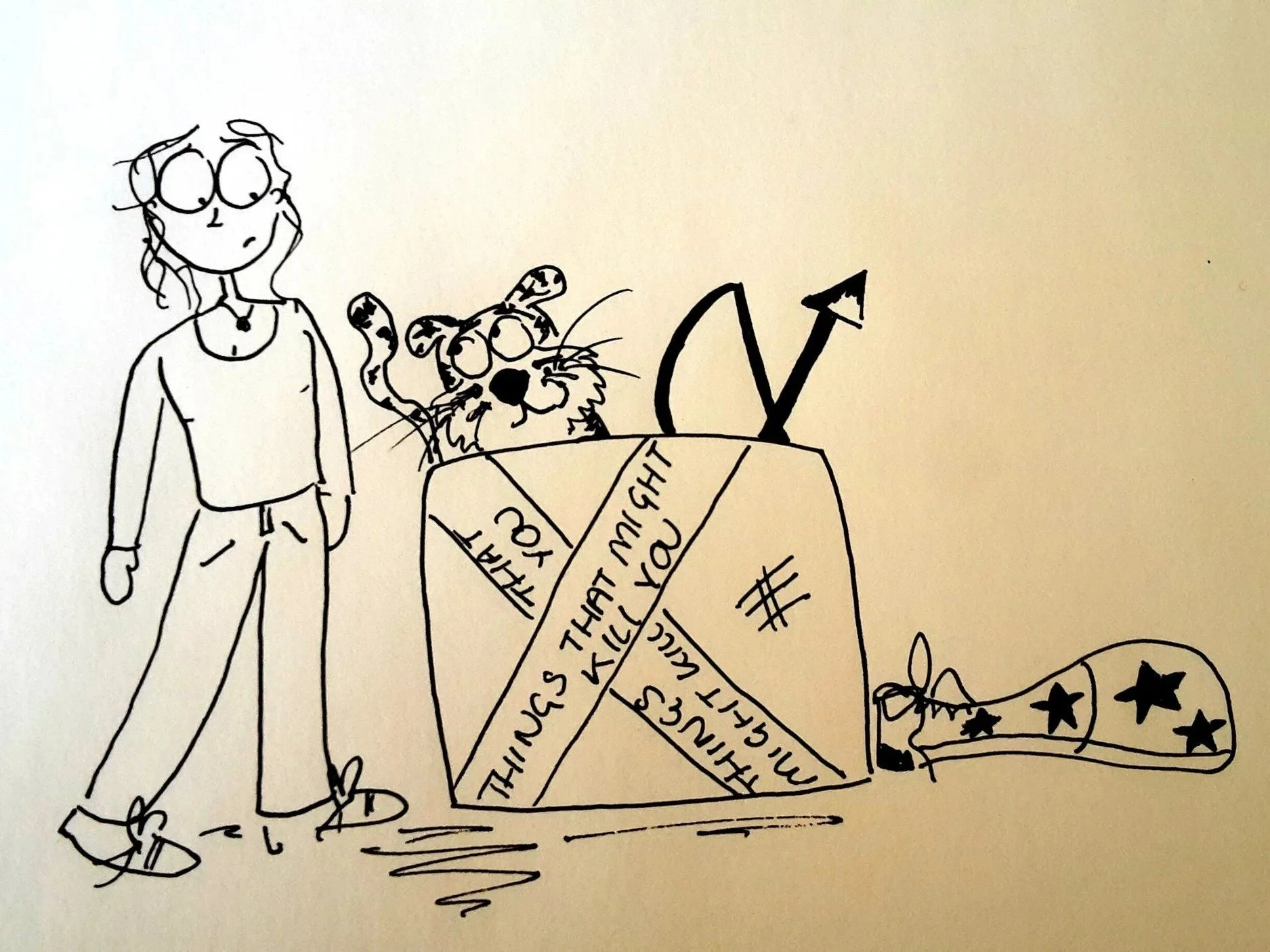
Why fear still sits underneath leadership stress
Fear is a word that comes up again and again in my work with leaders.
Not always in obvious ways, and not always described as fear, but it is there. Fear of failure, fear of getting it wrong, fear of being exposed, fear of stepping into something bigger than feels comfortable.
It is a word we attach to almost anything, and yet we rarely stop to look at what is actually happening underneath it.
Fear, like anger, tends to get a bad reputation. It is something we are encouraged to control, minimise, or push aside. But in reality, it is simply information.
I am not suggesting you ignore genuine risk. If something is clearly dangerous, your response is doing exactly what it is meant to do. The issue is that most of the situations leaders feel anxious about are not life-threatening, yet the reaction suggests otherwise.
Why the brain reacts as if everything is a threat
At a very basic level, fear sits in the part of the brain responsible for survival. It is fast, automatic and designed to keep you alive.
Historically, this made perfect sense. If you stepped outside and were faced with a real threat, you needed to respond immediately. There was no time to think it through.
The problem is that the system has not updated.
Presenting to a board, stepping into a bigger role, making a high-stakes decision, these are not life-threatening situations, but the brain can still interpret them that way. The response is the same: fight, flight or freeze.
This is where leadership anxiety begins to interfere with performance.
How this affects leaders in practice
I see this most clearly in situations where leaders know what they need to do, but feel a level of resistance that does not quite make sense.
It might be a presentation they are fully prepared for, a promotion they are ready to take, or a decision they are more than capable of making.
Logically, everything lines up. Internally, something pulls back.
That is not a lack of ability. It is the brain placing the situation into a category it does not belong in.
Working with fear rather than against it
The question then becomes, what do you do with it?
The starting point is recognising that the response is happening automatically. Once you are aware of it, you can begin to move it from something unconscious into something you can work with.
I use a range of techniques with clients to lower that response before it takes over. Not to remove fear entirely, but to bring it back to an appropriate level.
There was a moment where I had to put this into practice myself. I needed a brain scan at the same time my daughter required emergency surgery. The timing was not ideal, but there was no flexibility.
I dropped her at theatre and went straight to my own appointment. As they secured my head in place and prepared to close the mask, I could feel the response building very quickly.
At that point, logic is not what drives behaviour. The reaction is physical, immediate, and difficult to override.
What shifted it was not removing the fear, but changing the focus. My attention moved to my daughter, to the fact that she needed me present and steady afterwards, something many leaders struggle to maintain under stress.
That mattered more.
The fear did not disappear, but it no longer dictated the outcome.
What changes fear at senior level
This is where the work becomes important. If fear is left unexamined, it begins to shape behaviour in ways that are not always obvious. Avoided conversations, delayed decisions, opportunities not taken.
When it is understood properly, it becomes something you can work with rather than something that controls you.
That is the difference between operating from reaction and operating with intention.
If you feel anxious in situations where you know you should be able to move forward, it is not something you simply have to tolerate.
It can be understood.
And it can be changed.