
The most powerful competitive edge you can have as a leader is…
Happiness is the only human feeling that we don’t want to move on from. I remember reading that and thinking, absolute right, who thinks, well I’ve had enough happiness for today. Happiness and self-worth are the ultimate keys to a good life. Leadership follows so beautiful from them both.

Why power without inner peace is dangerous
We’ve all been watching the news headlines and we all have our own version of what is correct leadership behaviour. Powerful people are imploding all over the world. We jump from scandals to abuse of power, meltdowns, bullying, etc. It feels more like watching a school playground sometimes.
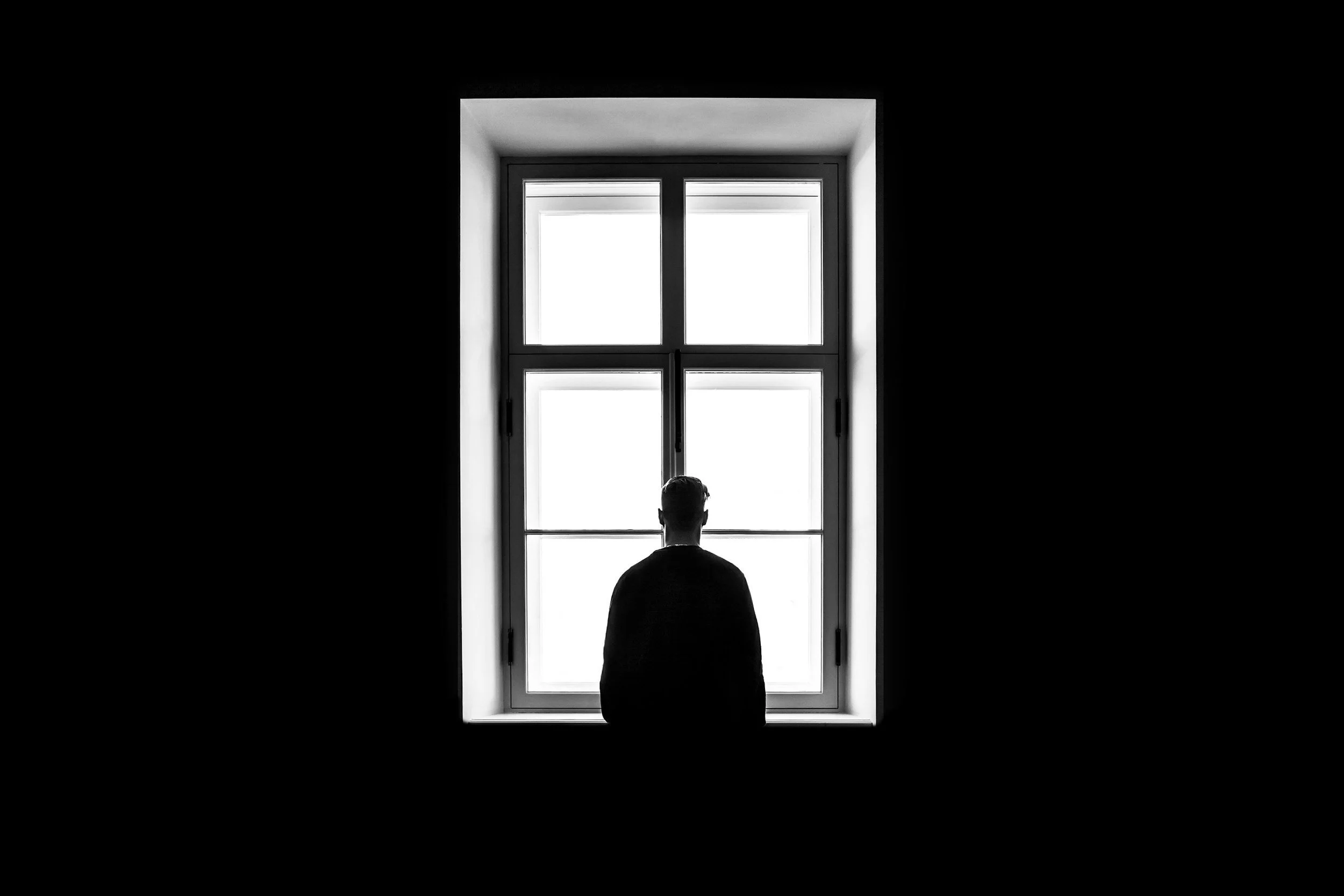
High functioning isn’t necessarily a healthy thing
We hear this term bandied around all the time.
“So and so is a great leader because they are so high functioning,”
“They get the job done because they are high functioning.”
So let’s get something straight, just because someone is high functioning doesn’t mean they’re emotionally healthy, in fact, it can be exactly the opposite.
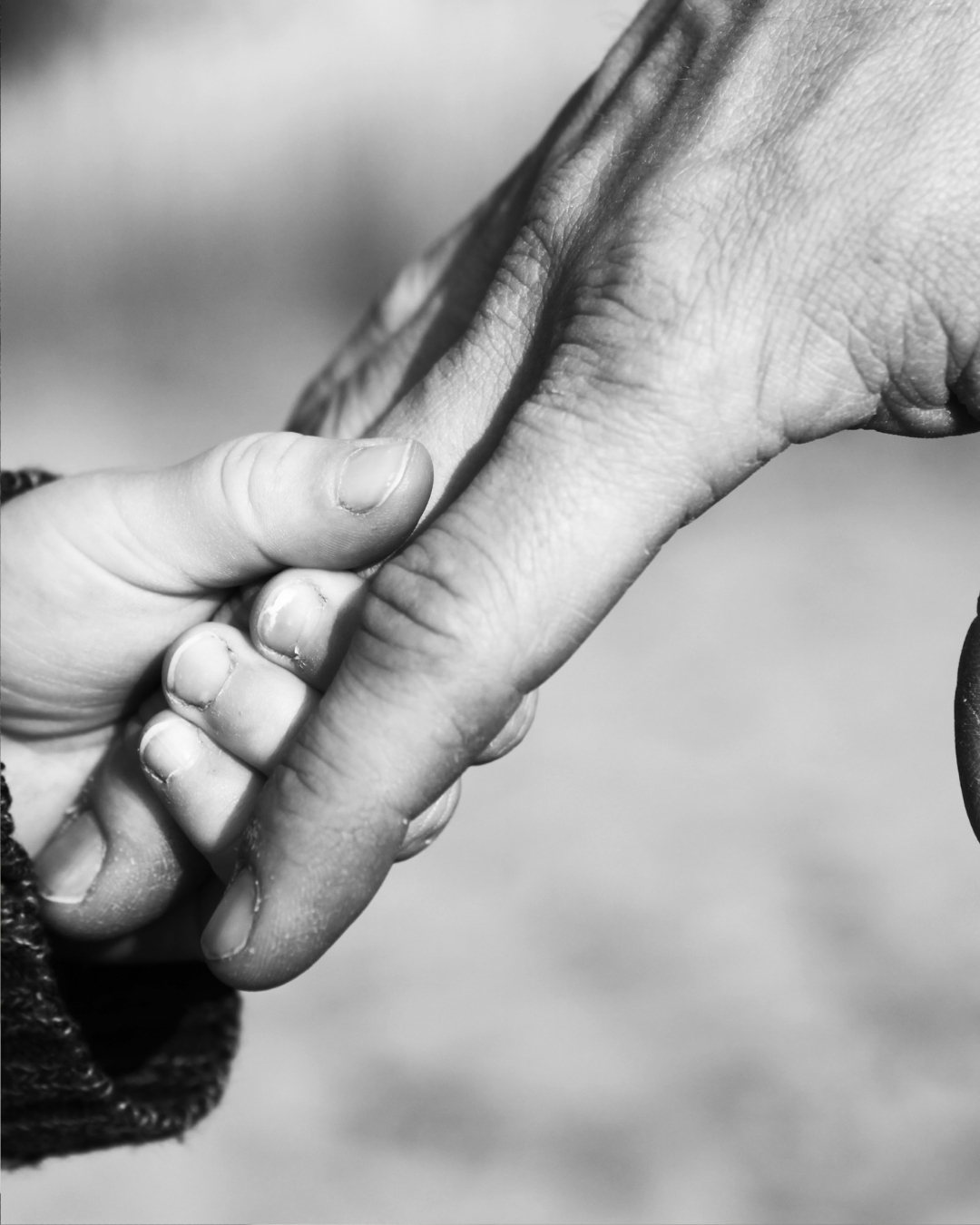
The Hidden Driver in Most Boardroom Battles? Unmet Childhood Needs
Here’s something we don’t talk about nearly enough in leadership: You might be running your entire company, your team, your strategy, even your calendar, based on something you unconsciously learned as a kid. I know that might sound dramatic. But stay with me.

They said what about me?
We grew up with the idea that legacy is something you build by creating a ‘thing’. Work hard, create a unique product that goes viral. All the sacrifices are worth it if you just make a name for yourself. I’ve been reflecting on this recently as I’ve been rewriting my will and with that, having to think about what happens to my business when I die.

Are you influencing your team, or are you controlling them?
I’ve been surprised recently by the number of leaders, both in the news and outside of it, who think that leadership is about control. I’m not going to get into politics here, but controlling isn’t leading—it’s dictating. The problem is that most people hate conflict and lack the skill set to manage it, so instead of dealing with the actual issue (or person), they jump to impose a rule or boundary that is unnecessary. This is reactive and is often based on an old childhood fear of conflict too.

Why people don’t see things the same way at work
This week I had the same conversation with two of my clients. They are both struggling with a team member who they feel is deliberately being awkward. Here's the reality: most people are tired, stressed and have a lot of emotional baggage knocking around. Most people are stuck in their own heads trying to make their way through the maze of their own life. They aren't often thinking about you.

Seeing life from above: why perspective changes everything
Recently, I went on a hot air balloon flight. I'll be honest, it was a cold November day, slightly drizzly, and I had a million things I could have filled the day with. In all honesty, I didn't want to go, but as it was a gift, I went. On the way, a friend said something that completely changed my perspective: "What if this was the last time I ever got to do this?" That simple thought changed far more than my mood.
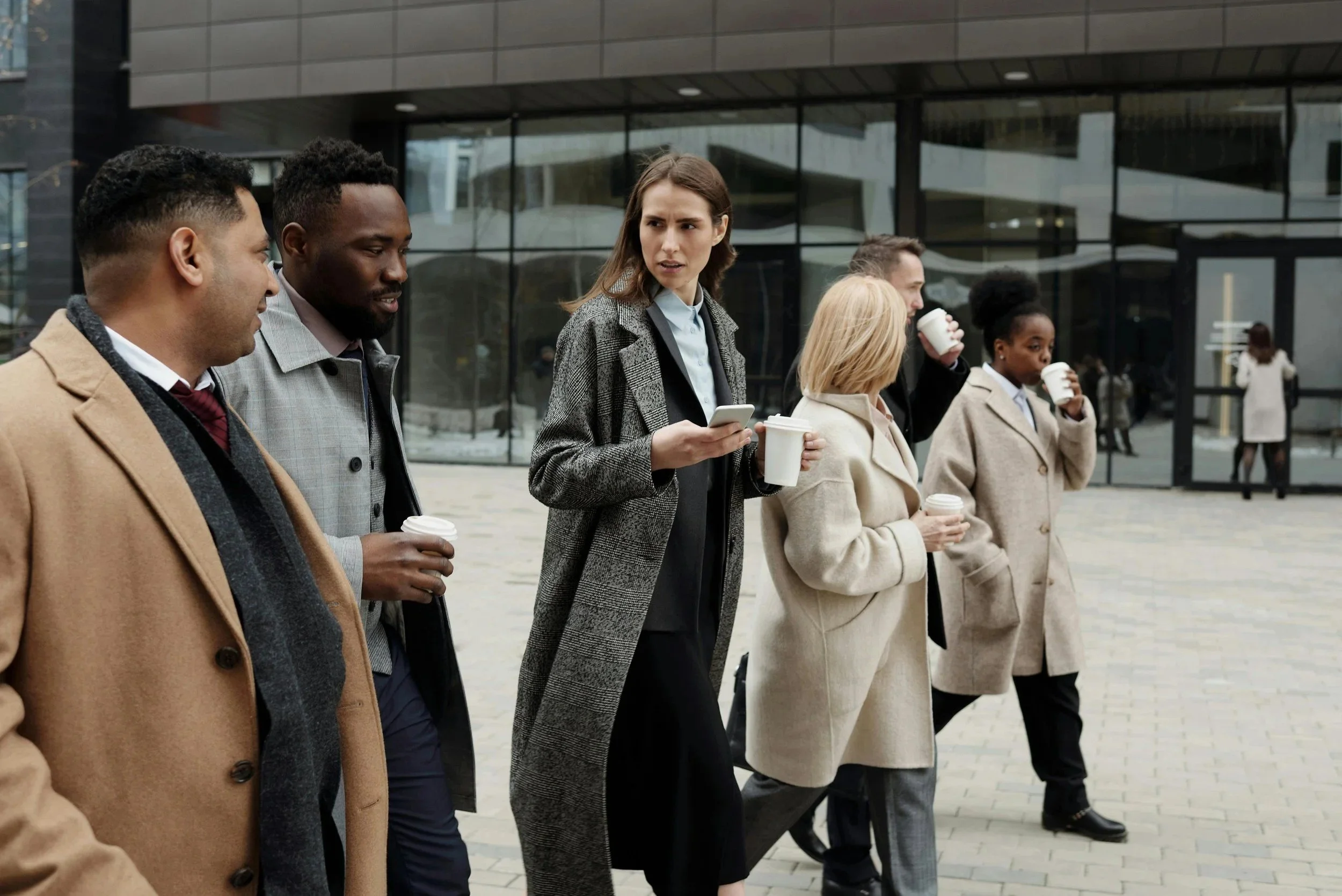
Why great leadership starts with helping other grow
As many of you know, I am working towards world peace because I believe a good leader can change the world. I also believe great leaders come from those who focus on getting themselves into the best mental health they can. It might sound selfish, but my experience is that when people are genuinely well, their focus naturally turns outward towards helping others.
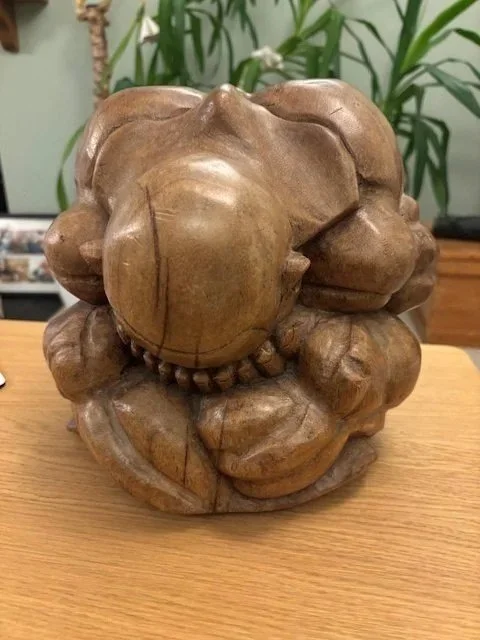
Are you ok? The power of body language .
When I was in the Maldives 20 years ago, I haggled so hard over the wooden Buddha you see in the picture that the shop owner told my husband he wished I was his wife and took us for ice cream. Twenty years later, my two-year-old grandson sees the Buddha sitting with his head in his hands, crouches down to look at his face and gently asks, "Are you okay?" What makes a child so concerned for a block of wood?
Why can’t I stop doing that? Leadership, habits and unconscious patterns
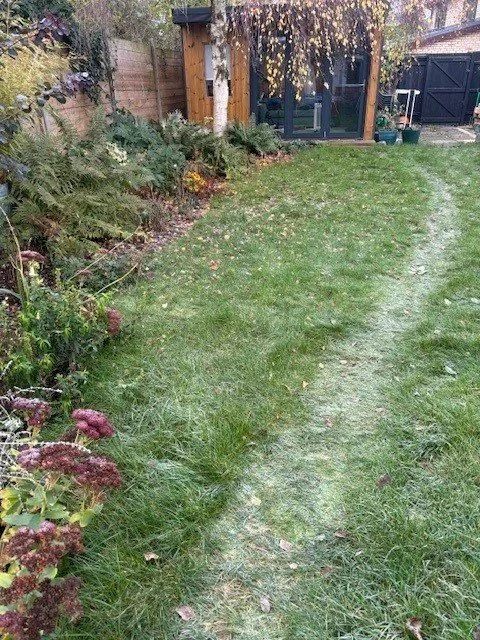
I work from a cabin in my garden, so several times a day I walk down my garden and back. Over time a distinct path has formed in the grass. No matter how often I notice it and try to walk somewhere different, I seem to follow it automatically. It's a perfect metaphor for why we repeat habits, behaviours and patterns that no longer serve us.
How past experiences form leadership, confidence and behaviour
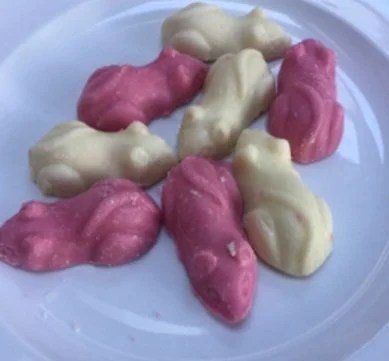
The beliefs, fears and behaviours that affect your leadership today often started much earlier than you think. A simple photo of chocolate mice demonstrates exactly how powerful those hidden associations can be.